The global transition toward clean energy has fundamentally reshaped the battery landscape. For years, the lithium-ion market was dominated by a single narrative: the pursuit of maximum energy density at all costs. This made Nickel Manganese Cobalt (NMC) the undisputed king of applications ranging from premium smartphones to long-range electric vehicles (EVs).
However, a massive chemical shift has created a dual-dominant market. Lithium Iron Phosphate (LFP) has surged from a niche alternative into a mainstream powerhouse. Today, choosing between NMC and LFP is no longer just a technical detail—it is a critical commercial and engineering decision that dictates the return on investment (ROI) of solar storage systems, the driving range of EVs, and the operational efficiency of industrial heavy equipment fleets.
An NMC battery utilizes a cathode composed of a complex blend of lithium, nickel, manganese, and cobalt. The exact ratio of these metals has evolved continuously as manufacturers push the boundaries of chemical engineering. While early generations relied on equal parts of each element (NMC 111), modern chemistries favor high-nickel, ultra-low-cobalt formulations like NMC 811 (8 parts nickel, 1 part manganese, 1 part cobalt) or even cobalt-free NMx variants.
The defining trait of NMC chemistry is its exceptional volumetric and gravimetric energy density. By packing more lithium ions into a smaller, lighter footprint, NMC batteries deliver high voltage and massive power output. This makes them the default choice for long-range and high-performance passenger EVs (such as the Porsche Taycan, Lucid Air, and Tesla’s Long Range variants), premium consumer electronics, and weight-sensitive applications like commercial aviation drones.
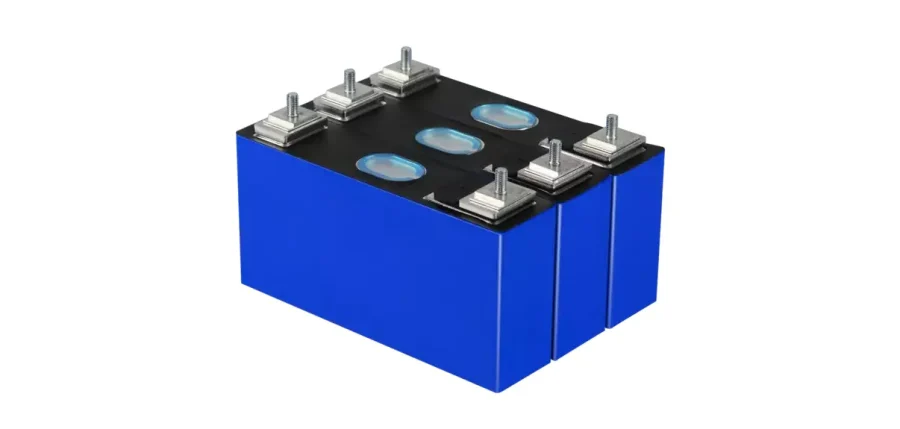

An LFP battery utilizes lithium iron phosphate (LiFePO4) as its cathode material. Unlike the layered structure of NMC, LFP features a distinct olive-structured crystal lattice. The fundamental advantage of this structure lies in its robust phosphorus-oxygen (P-O) chemical bonds, which are vastly more stable than the metal-oxygen bonds found in cobalt-based chemistries.
Historically, LFP was dismissed for premium applications due to its lower native energy density. However, radical engineering breakthroughs have completely flipped this narrative. Rather than changing the chemistry, manufacturers introduced Cell-to-Pack (CTP) structural designs—most famously exemplified by BYD’s Blade Battery. By eliminating bulky internal modules and packing cells directly into the battery enclosure, the industry has managed to bridge the real-world volumetric gap at the vehicle pack level.
Consequently, LFP has transitioned from entry-level passenger EVs (like the Tesla Model 3 and Model Y Rear-Wheel Drive) into a dominant force across residential Energy Storage Systems (ESS), commercial solar projects, and heavy-duty industrial material handling equipment.
To truly understand which chemistry fits a specific application, we must look past marketing buzzwords and analyze the raw engineering trade-offs.
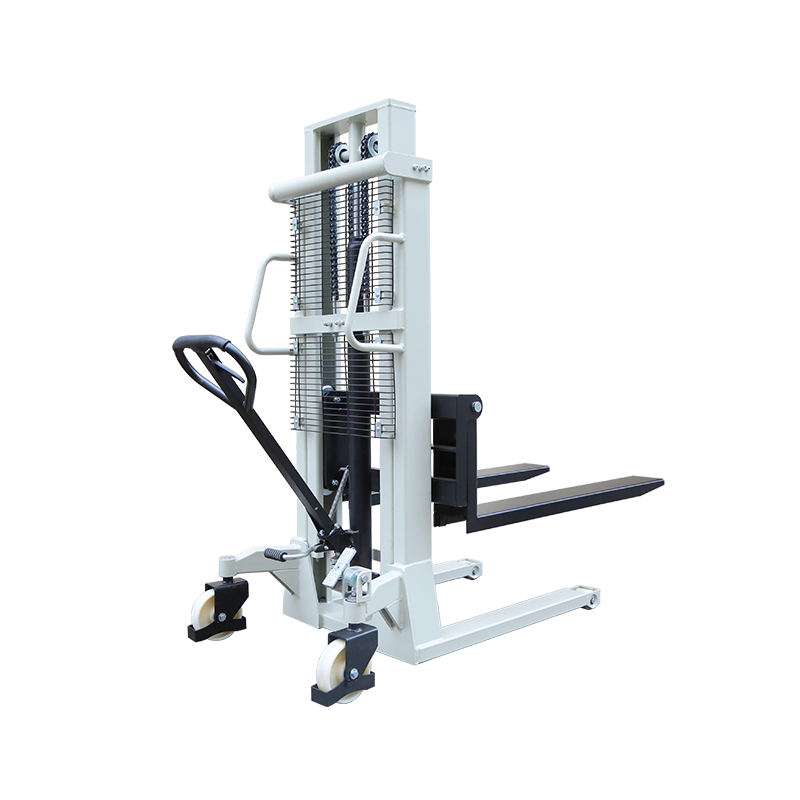
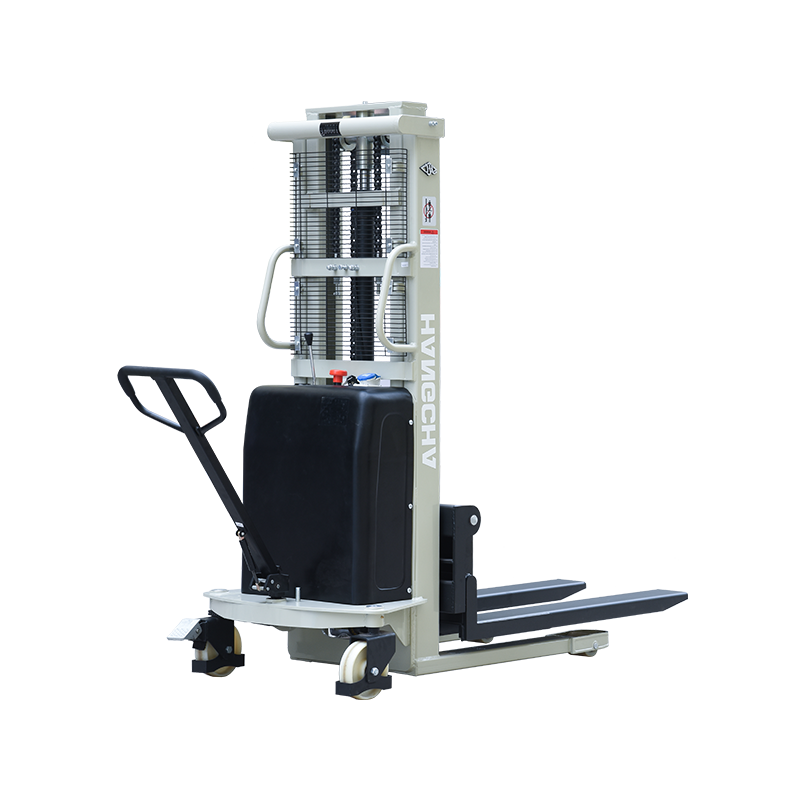
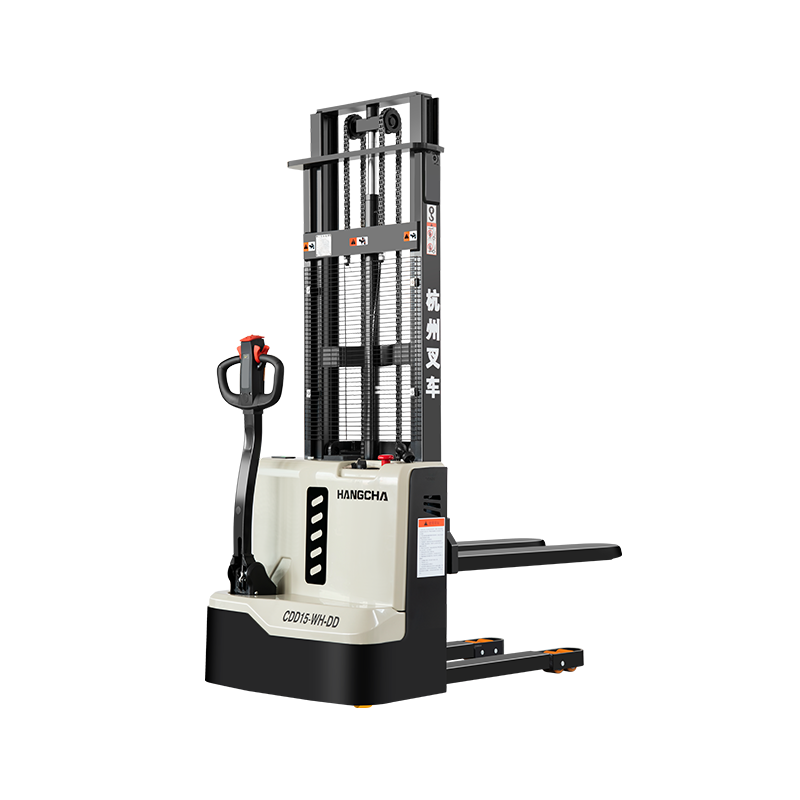
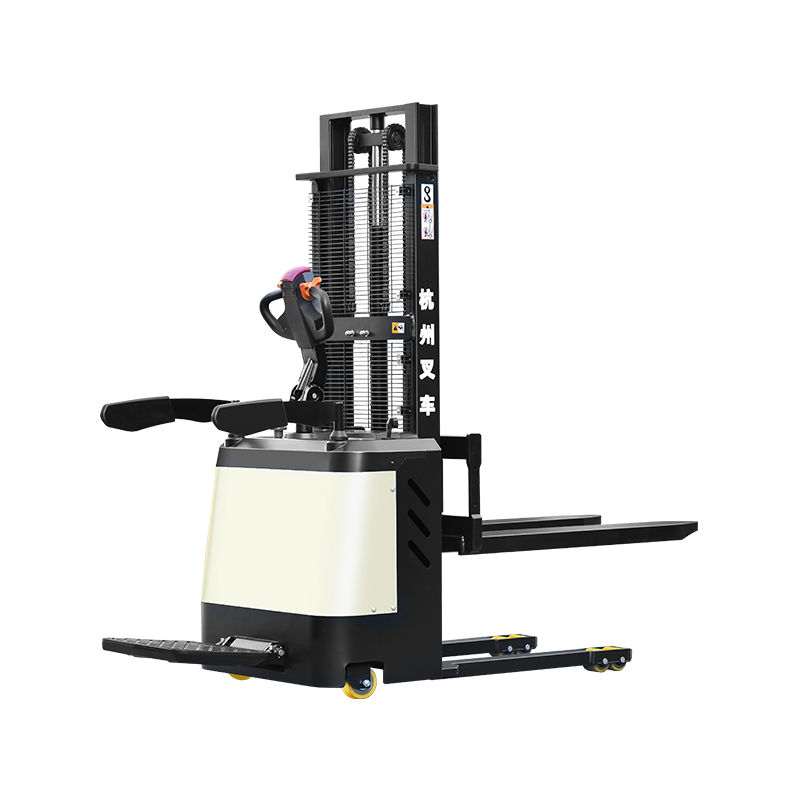
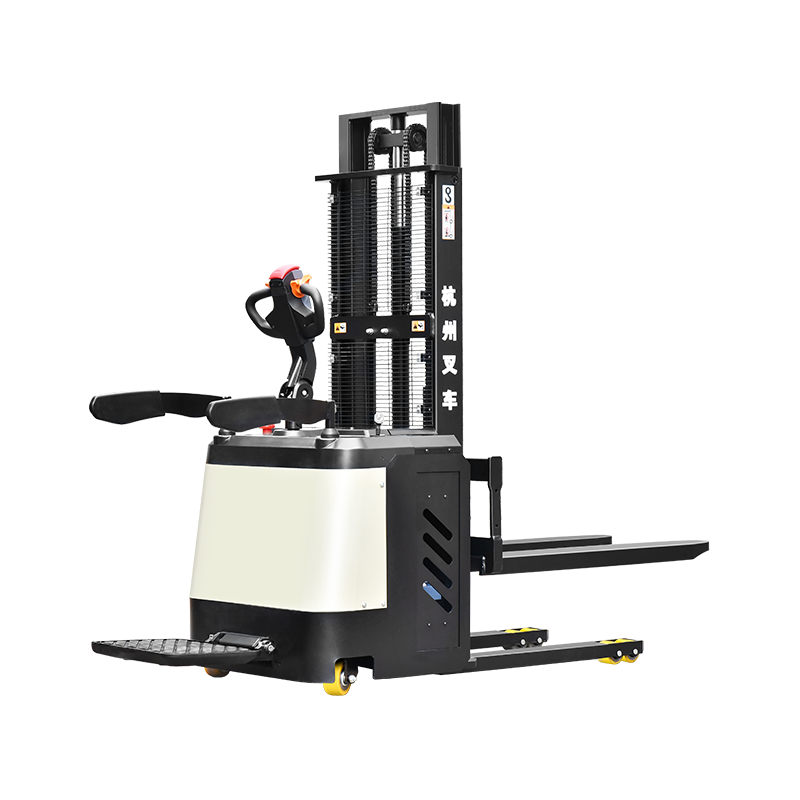
The Industrial Counter-Argument: While a heavy battery is a drawback for a sports car, weight is actually an advantage in the material handling industry. In heavy industrial electric forklifts, the inherent physical weight of an LFP pack serves as a natural counterweight for lifting heavy loads, turning a traditional chemical disadvantage into a structural engineering benefit.
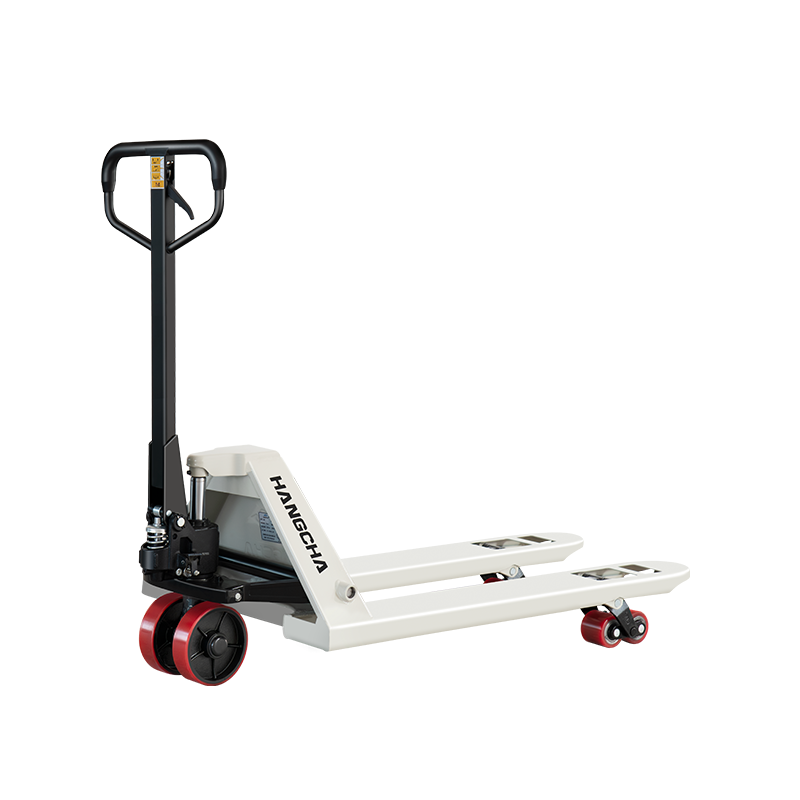
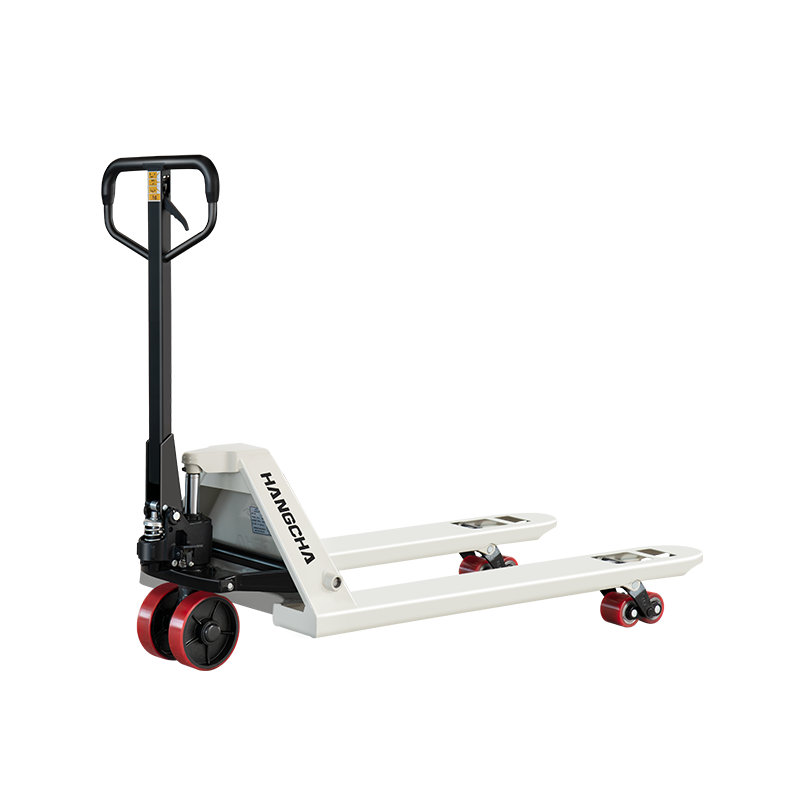
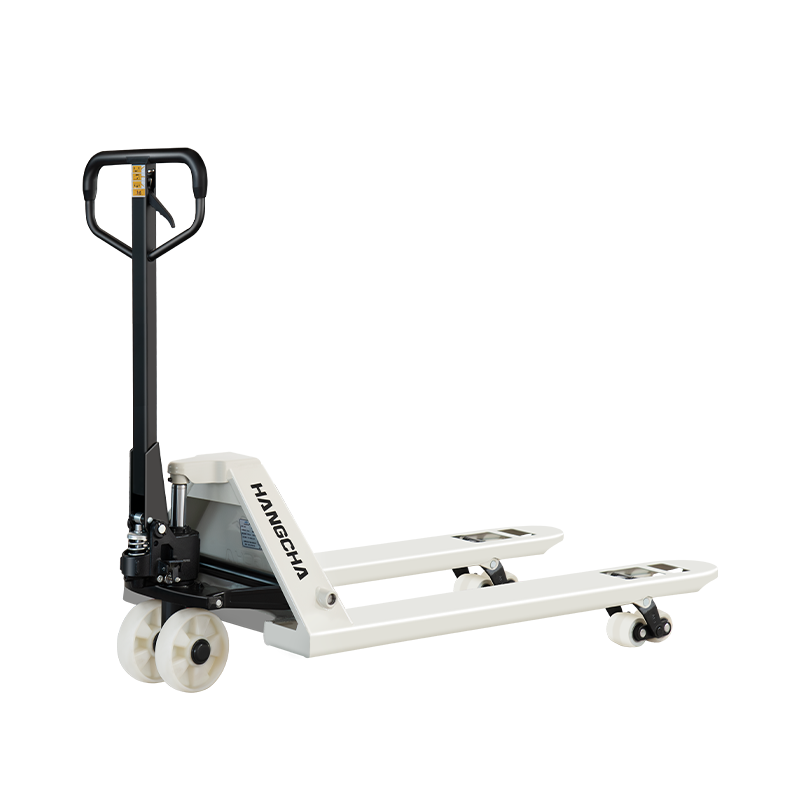
Because of this longevity, leading industrial global OEMs like Hangcha heavily favor LFP for material handling equipment. In intense two-shift or three-shift warehouse operations where equipment is constantly cycling, an LFP battery pack will easily outlast the mechanical chassis of the forklift itself, driving down the total cost of ownership (TCO) to a fraction of traditional technologies.
This compliance with strict safety testing standards (like UL 9540A) makes LFP mandatory for indoor environments. In crowded food logistics hubs, manufacturing facilities, or narrow-aisle warehouses where industrial equipment operates near personnel, the non-explosive nature of LFP is a critical safety requirement.
There is an important engineering reality behind this practice: LFP has an incredibly flat voltage discharge curve. Because the voltage barely drops as the battery empties, a vehicle’s Battery Management System (BMS) cannot accurately calculate the remaining capacity based on voltage alone. The BMS must see the battery reach 100% to calibrate its state-of-charge algorithm, preventing sudden, unexpected drops in reported capacity during operation.
Furthermore, LFP’s chemical resilience enables seamless “opportunity charging.” Industrial operators using LFP machinery can plug in their equipment during a worker’s 15-minute coffee break or lunch hour without causing battery degradation, eliminating the old, unproductive routine of battery-swapping mid-shift.
To combat this, elite industrial manufacturers have developed specialized workarounds. For instance, in Hangcha’s specialized cold-storage forklift series, the LFP battery packs are integrated with intelligent internal thermal management systems and built-in heaters. This engineering fix allows the LFP chemistry to operate smoothly inside frozen food distribution centers without losing power.
| Feature | NMC (Nickel Manganese Cobalt) | LFP (Lithium Iron Phosphate) |
|---|---|---|
| Specific Energy (Pack Level) | High (150–220 Wh/kg) | Moderate (90–160 Wh/kg) |
| Typical Cycle Life | 1,000 – 2,000 cycles | 3,000 – 6,000+ cycles |
| Thermal Runaway Threshold | ~210 degrees C (Releases Oxygen) | ~270 degrees C (Highly Stable) |
| Daily Charge Target | Charge to 80% for longevity | Charge to 100% for BMS calibration |
| Cold Weather Performance | Excellent | Sensitive (Requires active heating) |
| Ethical & Cost Concerns | High (Cobalt/Nickel dependency) | Low (Abundant Iron/Phosphate) |
| Material Handling Suitability | Low (Niche / Weight-sensitive only) | Exceptional (Industry Standard) |
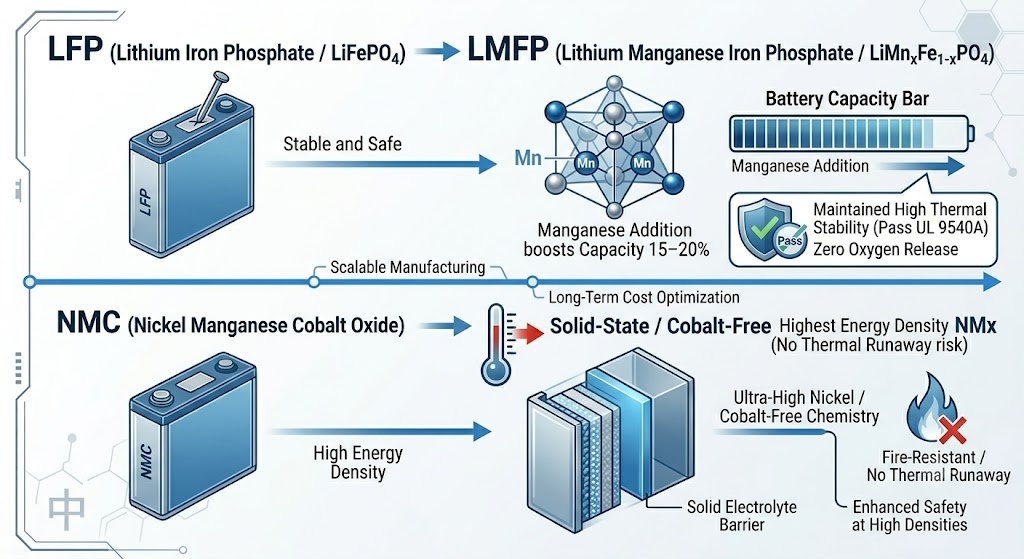
Neither chemistry is standing still. The battery sector continues to innovate to erase the traditional downsides of both options.
The debate between NMC and LFP is not about declaring a single winner; it is about recognizing distinct engineering toolkits. NMC remains the undisputed choice when uncompromised energy density, peak power performance, and long-range transport are mandatory. Conversely, LFP has established itself as the global standard for applications where safety, long-term asset amortization, upfront affordability, and extreme operational cycle life take precedence.
As next-generation variants like LMFP and solid-state systems enter the industrial space, both chemistries will continue to coexist, quietly powering different sectors of our increasingly electrified world.

+86-0571-88131206

+86-19084200370

+86-17816721301